
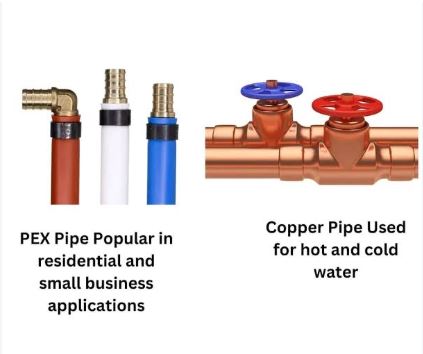
PEX vs. Copper Pipes: What Homeowners Should Know Before a Plumbing Upgrade

Choosing the right plumbing pipes can affect your home’s repair costs, water supply, and long-term maintenance. Two common options are PEX and copper. Both can work well in residential plumbing, but each has different benefits, limitations, and installation needs.
PEX is often the more affordable and flexible option, while copper offers excellent heat resistance, physical strength, and a long service history. The best choice depends on your budget, local plumbing codes, water conditions, climate, and the layout of your home.
Before replacing old pipes or planning a plumbing upgrade, it helps to understand how these two materials compare.
What Is the Difference Between PEX and Copper Pipes?
PEX stands for cross-linked polyethylene. It is a flexible plastic tubing used to carry hot and cold water through residential plumbing systems. Its flexibility allows plumbers to route it through walls and floors with fewer fittings in many installations.
Copper is a rigid metal pipe used in homes for water supply lines. It has a long history in residential plumbing and can withstand higher temperatures than PEX. However, copper pipes usually cost more to install and require different tools and connection methods.
Here is a quick comparison of the two materials.
| Feature | PEX Pipes | Copper Pipes |
|---|---|---|
| Material | Flexible plastic | Rigid metal |
| Initial cost | Usually lower | Usually higher |
| Installation | Flexible routing and fewer fittings in many layouts | Requires cutting, fitting, and joining rigid sections |
| Corrosion resistance | Does not rust or corrode like metal | Can corrode under certain water conditions |
| Freeze resistance | More flexible when water freezes, but not freeze-proof | Can split or burst when water freezes |
| Heat resistance | Has temperature limits set by the manufacturer | Generally tolerates higher temperatures |
| Sunlight resistance | UV exposure can damage the material | Better suited to exposed sunlight |
| Rodent resistance | Can be damaged by rodents | Generally more resistant |
| Recycling | Recycling options are limited | Widely recyclable |
| Common applications | Indoor hot- and cold-water supply lines | Indoor and exposed water supply lines |
Neither material is automatically better for every home. The right choice depends on where the pipes will be installed and how the plumbing system will be used.
1. Which Is More Affordable: PEX or Copper?
PEX usually costs less than copper for a residential plumbing project. The tubing itself is often cheaper, and its flexibility can reduce installation time and the number of fittings needed.
Copper generally costs more because of its material price and the labor required to measure, cut, and connect rigid pipe sections. The final price also depends on the home’s size, the number of fixtures, access to existing pipes, and local labor rates.
For example, replacing pipes in a house with open basement ceilings may cost less than replacing pipes hidden behind finished walls or beneath a concrete slab.
Homeowners should compare complete installation estimates rather than pipe prices alone. A professional quote should account for labor, fittings, valves, permits where required, wall repairs, and disposal of old materials.
Money-saving tip: Ask your plumber to compare PEX and copper using the same project scope. This makes it easier to see whether the price difference comes from materials, labor, or additional repair work.
2. Which Pipe Lasts Longer?
Copper has a long record of service in residential plumbing and can last for several decades when installed under suitable conditions. PEX can also provide decades of service when the correct tubing, fittings, and installation methods are used.
However, there is no single lifespan that applies to every plumbing system. Water chemistry, temperature, pressure, installation quality, and maintenance can all affect pipe life.
Copper may develop corrosion or pinhole leaks when water chemistry and other conditions are unfavorable. PEX can deteriorate if exposed to excessive heat, incompatible chemicals, prolonged sunlight, or other conditions outside its approved use.
To help either system last longer:
- Use pipe and fittings approved for the intended application.
- Follow the manufacturer’s installation instructions.
- Protect pipes from freezing temperatures.
- Keep PEX away from prolonged UV exposure unless the product is specifically rated for it.
- Avoid physical damage and unsupported pipe runs.
- Investigate recurring leaks, unusual water discoloration, or sudden changes in water pressure.
The most reliable choice is a pipe material that suits your home’s conditions and is installed correctly.
3. Is PEX Better Than Copper in Cold Weather?
PEX has an advantage in cold conditions because it can expand when water inside the tubing freezes. This can reduce the chance of a burst compared with rigid copper pipe.
However, PEX is not freeze-proof. Frozen water can still damage the tubing, fittings, valves, or connected plumbing components. Repeated freezing can also create problems even when the pipe itself survives.
Copper is less flexible. When water freezes inside a copper line, the resulting expansion can split the pipe and cause leaks after the ice melts.
Homeowners in colder parts of the United States should consider pipe location and insulation, not just pipe material. Pipes in exterior walls, crawl spaces, unheated basements, and garages may need extra protection.
Practical ways to reduce freezing risks include:
- Insulating pipes in vulnerable areas.
- Sealing drafts near plumbing openings.
- Keeping indoor temperatures at a safe level during cold weather.
- Protecting outdoor hose connections and exposed water lines.
- Following local guidance for winterizing vacant properties.
If your home has a history of frozen pipes, ask a licensed plumber to inspect the vulnerable sections before winter.
4. How Do PEX and Copper Compare for Water Quality?
Both PEX and copper can be suitable for drinking-water plumbing when the products meet the applicable standards and are installed according to local codes.
Copper can corrode under certain water conditions, including highly acidic water. This may contribute to copper entering the water supply. Older plumbing systems can also contain other materials that affect drinking-water safety.
PEX does not rust like metal, but its suitability still depends on product certification, the quality of the materials, and proper installation. Some plastic piping materials can release small amounts of compounds into water, particularly when new. Product selection and compliance with drinking-water standards matter.
For either material, check that pipes and fittings are approved for potable water. In the United States, NSF/ANSI/CAN 61 is a relevant standard for evaluating health effects from drinking-water system components.
If your water has an unusual taste, color, or smell, do not assume that replacing the pipe material will solve the problem. Water testing may be needed to identify the cause.
5. Which Is Easier to Install and Repair?
PEX is flexible, so installers can often route it through walls and around obstacles without using as many elbow fittings. Connections commonly use approved crimp, clamp, expansion, or push-fit systems, depending on the tubing and fitting design.
This flexibility can make PEX practical for new construction, remodeling, and many whole-house repiping projects.
Copper is rigid and must be cut and joined carefully. Depending on the fitting system, connections may use soldering, press fittings, compression fittings, or other approved methods. Soldering requires particular care around combustible materials.
Repair difficulty depends on where the damaged pipe is located. A leak behind finished drywall may require opening the wall regardless of whether the pipe is PEX or copper.
The quality of the fittings and the installer’s work is important for both materials. A poorly made connection can leak even when the pipe itself is in good condition.
If you are planning a plumbing project, understanding the different PEX plumbing systems can help you learn how this tubing is used in residential water supply installations.
6. What Are the Main Advantages and Disadvantages of PEX?
PEX is a practical option for many indoor water supply projects, but homeowners should understand its limitations before choosing it.
Advantages of PEX
- Lower installation cost: PEX often costs less to install than copper.
- Flexible routing: It can pass through walls and floors with fewer fittings in many layouts.
- Corrosion resistance: It does not rust like metal piping.
- Reduced freeze-burst risk: Its flexibility can help it tolerate some freezing conditions.
- Faster installation: Fewer fittings and simpler routing can reduce labor time.
Disadvantages of PEX
- UV sensitivity: Prolonged sunlight can damage tubing that is not rated for UV exposure.
- Rodent damage: Rodents can chew through the material.
- Temperature limits: PEX must remain within its rated temperature and pressure range.
- Recycling limitations: It is more difficult to recycle than copper.
- Code and product restrictions: Not every product or installation method is permitted in every location or application.
PEX is often a strong choice for indoor water supply lines when the tubing and fittings are approved for the project.
7. What Are the Main Advantages and Disadvantages of Copper?
Copper remains a useful plumbing material, particularly where its strength, temperature tolerance, or suitability for exposed installations matters.
Advantages of Copper
- Long service history: Copper has been used in residential plumbing for decades.
- Heat tolerance: It generally withstands higher temperatures than PEX.
- Physical strength: It is more resistant to rodent damage and many forms of accidental contact.
- UV resistance: It can be used in exposed locations where plastic tubing may be unsuitable, subject to the installation requirements.
- Recyclability: Copper has an established recycling market.
Disadvantages of Copper
- Higher cost: Materials and installation often cost more than PEX.
- Corrosion risk: Certain water conditions can cause corrosion and pinhole leaks.
- Rigid installation: Bends and changes in direction may require additional fittings.
- Freeze damage: Copper can split when water freezes inside it.
- Installation skill: Some connection methods require specialized tools and experience.
Copper may be worth considering when its specific advantages justify the additional expense.
8. Is PEX or Copper Better for Different Plumbing Projects?
The best choice can change depending on the type of work you need.
| Project | Option to Consider | Why |
|---|---|---|
| New home construction | PEX or copper | Compare project costs, code requirements, and design |
| Whole-house repiping | PEX | Often offers lower installation costs and flexible routing |
| Plumbing in a cold climate | PEX, with freeze protection | Flexibility can reduce burst risk |
| Exposed pipework | Copper or a UV-rated alternative | Material exposure and physical protection matter |
| High-temperature applications | Copper, where suitable | Copper generally tolerates higher temperatures |
| Plumbing in a corrosive water environment | PEX or an appropriate corrosion-resistant system | Water chemistry should guide material selection |
| Budget-conscious renovation | PEX | Often reduces material and labor costs |
These are starting points, not universal rules. Local plumbing codes, manufacturer requirements, water conditions, and the specific application should determine the final selection.
9. Can You Replace Copper Pipes With PEX?
In many homes, copper water supply lines can be replaced with PEX. The work may involve removing sections of copper, installing new tubing, and connecting it to existing plumbing or fixtures using approved transition fittings.
However, a successful replacement requires more than choosing a new pipe. The plumber must check the existing system, pipe sizes, water pressure, connection compatibility, and local code requirements.
Before approving a repiping estimate, ask:
- Which pipe material and PEX type will be used?
- Are the tubing and fittings approved for potable water?
- Will the work require opening walls, ceilings, or floors?
- Are permits or inspections required?
- How will the new pipes be supported and protected from freezing?
- What testing will be performed before the plumbing is put back into service?
- Are wall repairs and cleanup included in the quote?
Replacing copper with PEX can be a sensible upgrade, but the condition of the existing system and the cost of accessing it should guide the decision.
Frequently Asked Questions
Is PEX better than copper for a house?
PEX is often a cost-effective choice for indoor residential water lines because it is flexible and usually costs less to install. Copper may be preferable when greater heat tolerance, physical strength, or a long-established metal piping system is important.
Does PEX last as long as copper?
Both can last for decades, but their actual service life depends on installation quality, water conditions, temperature, and exposure. Copper may last longer in some settings, while PEX can provide reliable service when used within its approved limits.
Can PEX pipes burst in winter?
Yes. PEX is more flexible than copper and may tolerate freezing better, but it can still be damaged by freezing water. Insulation and proper winter protection remain important.
Is copper safer than PEX for drinking water?
Neither material is automatically safer in every situation. Choose approved products designed for potable water and ensure they are installed correctly. Water chemistry and the condition of the entire plumbing system also matter.
Does PEX reduce water pressure?
PEX does not automatically reduce household water pressure. Actual flow depends on pipe diameter, run length, fittings, layout, and the available supply pressure. Proper pipe sizing is essential for either material.
Should I choose PEX or copper for a plumbing upgrade?
Compare the full installation cost, expected operating conditions, exposure risks, local code requirements, and long-term maintenance needs. A qualified plumber can assess your home and explain which material best fits your project.
Final Thoughts
PEX and copper are both useful options for residential plumbing, but they serve different needs. PEX is often attractive for its lower installation cost, flexible routing, and resistance to corrosion. Copper offers greater heat tolerance, physical strength, and recyclability.
Before choosing a material, consider your home’s layout, local climate, water quality, and budget. Request comparable estimates from qualified plumbers and confirm that the proposed materials meet local code requirements. A well-designed and correctly installed plumbing system matters more than choosing a material based on price alone.